
The most effective systems in modern games do not feel like systems.
They feel like mild social pressure, light obligation, and the quiet worry that you are falling behind. Battle passes and daily quests are the cleanest examples. On the surface they offer structure and rewards. Underneath they convert leisure into a soft shift schedule.
I am not against rewards. I am against the quiet redefinition of play as attendance.
How the shift schedule works
A battle pass sets a long track of incremental goals and places a clock on it. Miss too many weeks and the premium track starts to look expensive relative to the time you have left. Daily and weekly quests break that long track into small, recurring tasks that are easy to complete and easier to feel guilty about skipping. The game never has to demand that you log in. It only has to make absence feel like a small loss.
The result is a player who begins to organize free time around the reset. Ninety minutes after the kids are asleep stops being open space and starts being the window in which the dailies must be cleared. The loop is no longer “what do I feel like playing.” It becomes “what do I need to finish so the pass does not punish me later.”
That is shift work with better lighting.
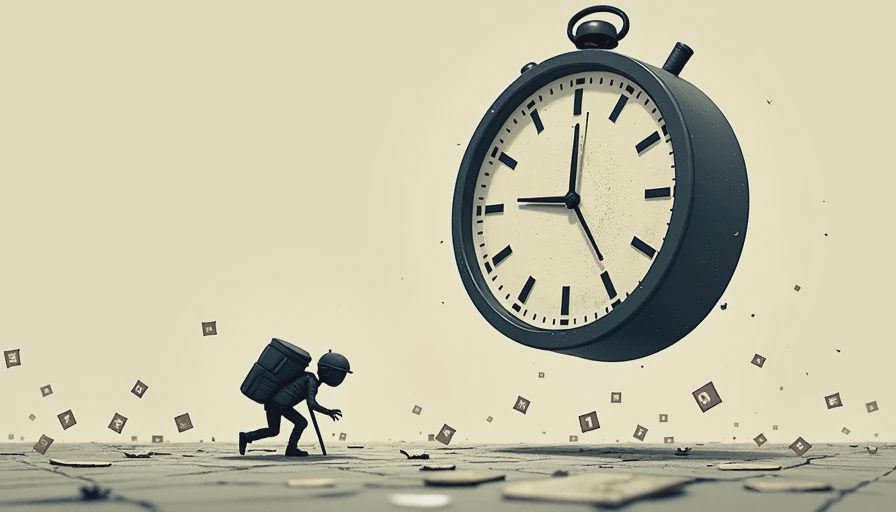
The design tells on itself
Several patterns show up consistently:
Quests that require specific modes or activities you would not otherwise choose.
Progress that is deliberately paced so a normal play week leaves you slightly behind.
Premium tracks that create a sunk-cost feeling once money has been spent.
Soft punishment for absence—missed rewards, FOMO language, or the sense that returning later will feel like recovery rather than continuation.
None of these are accidental. They are retention tools. They work especially well on players who already have limited hours, because the scarcity makes every missed reset feel more expensive.
What respect would look like instead
A system that respects time makes the same rewards available without turning them into attendance metrics. Progress that can be completed at the player’s pace. Optional challenges that do not gate the core loop. Battle passes that can be finished by playing the parts of the game you already enjoy, not by servicing a checklist. The ability to step away for ten days and return without the sense that you have failed a shift.
Some games still design this way. Many do not. The difference is visible once you start asking a simple question: does this structure exist to give me more interesting decisions, or does it exist to make sure I keep showing up?

How I treat it in recommendations
When a game leans hard on battle-pass pressure and daily obligation, I mark it clearly. The presence of these systems does not automatically move a title to Skip, but it raises the bar for everything else. Time to Fun needs to be shorter. The core loop needs to stay rewarding even when the pass is ignored. The endgame needs to function as a loop rather than a set of chores that feed the pass.
If the game only feels complete when the dailies are done, it has already told me how it ranks my time against its metrics. I rank it accordingly.
A game doesn’t need to be perfect. It needs to earn the hours. The moment it starts treating those hours like a shift it can schedule, it has stopped earning them and started extracting them.





No notes yet — write the first.