If you searched for crimson desert non-permanent mounts, you probably want a practical answer, not another cinematic trailer breakdown. You want to know whether a horse or other ride is yours for good, whether it can disappear, and how much busywork sits between you and the next interesting fight. That is the right question for an open-world action RPG. A mount is not just transportation; it can determine whether a 45-minute session feels productive or gets swallowed by travel and recovery chores.
The important distinction is between confirmed information and assumptions borrowed from other games. Pearl Abyss has shown a large world, mounted traversal, combat encounters, and a range of systems in Crimson Desert, but the final rules for mount ownership, loss, storage, replacement, and customization need to be judged from the released game and its official documentation. Screenshots and trailers can show a mount in action without proving that every ride is a permanent collectible.
What “non-permanent” could mean in practice
The phrase can describe several different systems. A mount might be temporary because it belongs to a mission, vanishes after a scripted sequence, or is available only while you remain in a particular region. It could also mean that wild animals are borrowed rather than registered, while a stable system handles mounts you actually own. Those are very different levels of inconvenience.
For crimson desert non-permanent mounts, the key question is not whether every ride lasts forever. The key question is whether the game gives you a reliable replacement loop. If a mount disappears but you can call another one from a stable in seconds, the friction is minor. If losing one forces a long trip, a repeat taming sequence, or expensive resources, the system becomes a tax on limited playtime.
This is where the game should earn its hours. A temporary mount can be a reasonable tool for a story mission. It becomes a problem when the player cannot tell whether a mount is temporary, owned, borrowed, or merely available nearby. Clear icons, stable records, and a simple summon command matter more than sentimental ownership language.
What to check before investing time
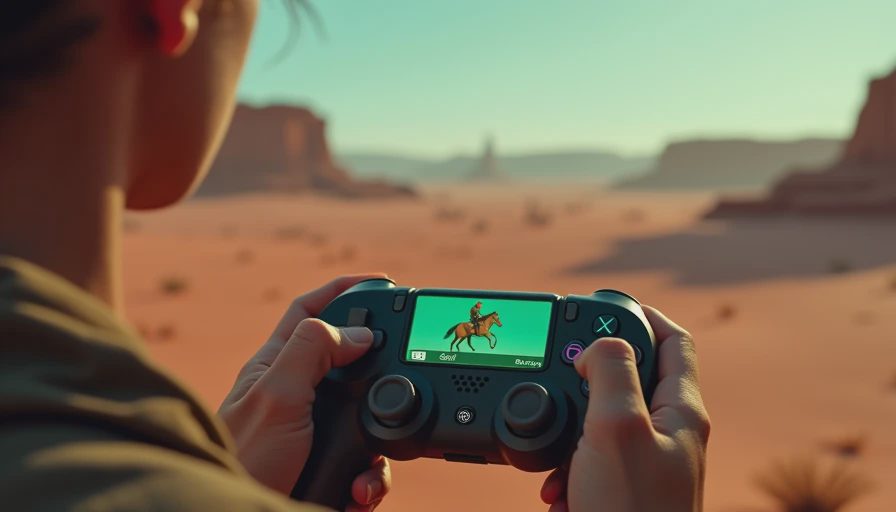
When you begin playing, test the system before spending an evening upgrading a single animal. First, look for a stable, mount menu, or inventory category that separates owned mounts from temporary rides. Second, dismiss the mount and travel through a loading transition or fast-travel point. Then check whether it returns, stays registered, or requires recovery. Third, inspect the map and interface for a whistle, summon, or stable icon.
For crimson desert non-permanent mounts, also watch what happens after combat. Does the mount remain available when you die? Can enemies kill it permanently, or does it recover automatically? Does falling from a cliff create a meaningful risk, or only a short animation? These details determine friction per hour. A system that makes you repeat a two-minute recovery task ten times across a weekend is not deep; it is a bottleneck wearing a saddle.
Do not spend rare currency on appearance upgrades until you understand persistence. Cosmetic investment makes sense for a ride you will use for dozens of hours. It makes much less sense for a mission-only animal or a temporary summon with no clear storage record.
The time cost matters more than the label
Players often argue about whether a mount is permanent as if the word settles the issue. It does not. A permanent mount can still be annoying if it has poor stamina, gets trapped on terrain, or cannot be summoned near the objective. A non-permanent mount can be perfectly fine if the game supplies quick access, sensible recovery, and consistent controls.
My practical test for crimson desert non-permanent mounts would be simple: can a player with one free hour get mounted, reach a new activity, complete it, and return without managing a maintenance spreadsheet? If yes, the system is doing its job. If the session becomes stable bookkeeping, repeated taming, and long empty rides, the game is spending your weekend without giving enough back.
Controller behavior matters here too. The summon button should be easy to reach without opening several radial menus. The mount should respond to basic steering without fighting the camera. Dismounting near a ledge, door, or quest interaction should feel deliberate rather than accidental. These are small details until they happen every session.
How the system could affect exploration and combat
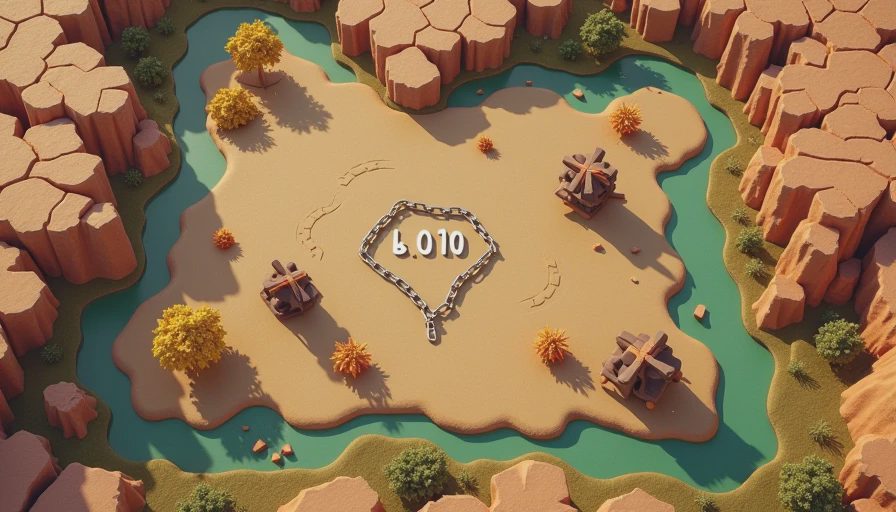
Mount rules influence more than travel speed. If a ride is dependable, developers can design larger spaces without making every objective feel remote. If mounts are disposable or temporary, players may avoid exploring side paths because they expect a long return trip. That creates a strange incentive: the map looks enormous, but the sensible choice is to stay close to the next quest marker.
Crimson desert non-permanent mounts could also change how players approach combat. A temporary ride might be useful for reaching a battlefield but unavailable once the fight begins. A combat-capable mount might have stamina, injury, or equipment limits. None of those systems are automatically bad. The problem is unclear communication. Players need to know whether dismounting is a tactical choice, a forced animation, or the start of a recovery chore.
For adults playing four to eight hours a week, this distinction is significant. A younger player with an open afternoon can absorb a few confusing loops. Someone finishing work, dinner, and bedtime routines needs the game to preserve momentum. Travel can be relaxing, but only when it provides scenery, discoveries, or a useful change of pace. Empty distance without a payoff is just loading time with better lighting.
A buying guide for busy players
If your priority is exploration, wait for hands-on reports that answer four questions. Can mounts be summoned consistently? Are owned mounts stored permanently? What happens after death or fast travel? How much time does replacement take? These answers will tell you more than a trailer showing a character galloping across a field.
Crimson desert non-permanent mounts should not be treated as an automatic dealbreaker. Some players enjoy changing rides, taming systems, and the feeling that transportation is part of survival. Others want a dependable button that removes travel friction. Neither preference is wrong. The buying decision depends on whether the game supports your available time rather than demanding that you reorganize it.
My early standard is modest: the first useful mount should arrive without an exhausting tutorial chain, ownership should be visible, and recovery should take seconds rather than several errands. If the game meets that bar, the system can add texture. If it hides basic information behind trial and error, I would wait for a patch, a detailed guide, or a sale before committing.
Bottom line
The safest conclusion about crimson desert non-permanent mounts is that the term needs clarification before it supports a purchase decision. Mounts may be temporary in some contexts without being a persistent nuisance, but the final experience depends on summon access, recovery rules, storage, stamina, and interface clarity. Those are the mechanics worth testing.
A game does not need to be perfect. It needs to earn the hours. If Crimson Desert lets you move through its world, fight, explore, and return to your next objective without turning every ride into administrative work, temporary mounts could be a smart part of the design. If the system repeatedly interrupts play to replace tools you thought you owned, the problem is not difficulty. The problem is drag.





No notes yet — write the first.