A good pal world breeding guide should answer one practical question: how do you improve your team without turning Palworld into a second job? Breeding is one of the game's strongest systems, but it hides several layers behind Cake production, compatible parents, passive skills, and random inheritance. If you have four to eight hours a week, the goal is not to chase a perfect Pal immediately. It is to build a useful breeding pipeline that pays off quickly.
The short version is simple. Build a Breeding Farm, place two compatible Pals inside, keep Cake in the farm's chest, and wait for an egg. The work is in choosing parents that improve the result rather than producing random eggs and hoping for a miracle.
How Palworld breeding actually works
A Breeding Farm requires one male Pal, one female Pal, and Cake. The two parents do not need to be the same species. Almost any pair can produce an egg, but the child's species is determined by the parents' hidden breeding values. That is why unusual combinations can create excellent results and why a favorite Pal is not always the best parent.
Cake is the main bottleneck. You craft it in a Cooking Pot or Electric Kitchen using ingredients such as Flour, Red Berries, Milk, Honey, and Eggs. Keep Wheat Plantation, ranching, and cooking production running before you begin a long breeding session. Running out of Cake does not ruin your progress, but it turns a smooth system into repeated supply trips.
When an egg appears, place it in an Egg Incubator. The incubation timer depends on the egg type and your world settings. Temperature also affects comfort and can influence the displayed incubation time, so place a cooler or heater nearby when needed. On a busy weeknight, start several eggs before logging off rather than waiting beside the farm.
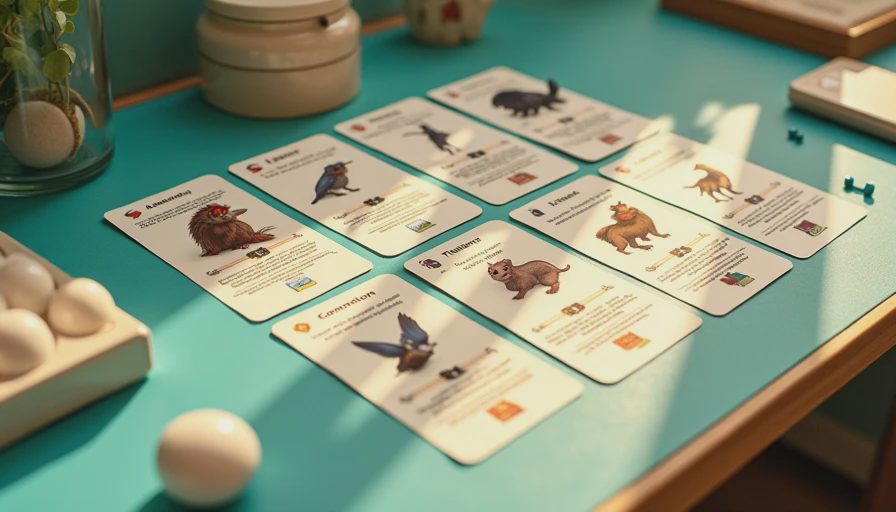
Choose a breeding goal before choosing parents
This pal world breeding guide is easier to use when you define the job first. Do you need a fast mount, a combat attacker, a base worker, or a general-purpose Pal? Each goal changes which inherited traits matter.
For a mount, prioritize movement-related passives and a species with good travel behavior. For combat, look for attack-boosting passives and a strong active skill set. For base work, movement speed can reduce travel between stations, while work suitability and relevant work speed matter more than flashy damage traits. A Pal with four perfect-looking passives can still be a poor worker if its useful assignment is limited.
Do not automatically breed your strongest current Pal. A high-level parent can pass useful passive skills, but level itself does not transfer in the same way. A clean, low-level parent with the right traits can be more valuable than a heavily invested Pal with three unrelated bonuses. Think of parents as components in a production line, not pets that become stronger simply by having a baby.
Passive skills, inheritance, and useful rejects
Passive skills are the main reason most players breed. Children can inherit passives from their parents, but inheritance is not guaranteed. You should expect several imperfect eggs before the combination appears. That is not a bug in your process; it is the system's random layer.
Keep a simple record of promising parents. Write down species, sex, passive skills, and the result you want. If one parent has a useful movement passive and another has a strong attack passive, label them before placing them in the farm. This prevents the classic late-night mistake of selling or condensing the one parent you still needed.
A reject is not automatically trash. A child with one excellent passive can become a future parent. A child with useful work suitability can improve your base even if it is not the combat result you wanted. The real waste is spending Cake, incubator time, and inventory space without checking what each egg produced.
For most players, three good passives are a satisfying stopping point. The fourth perfect passive can require a large number of eggs, and the improvement may not be noticeable during ordinary exploration. This pal world breeding guide favors a strong finished Pal over an imaginary perfect one that consumes every weekend.
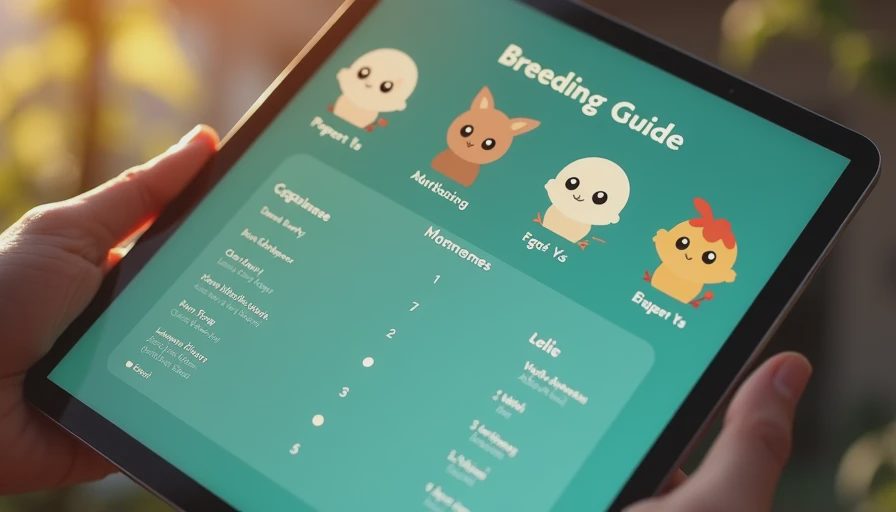
IVs and when optimization becomes a trap
Palworld also includes hidden individual values, commonly called IVs, that affect attributes such as health, attack, and defense. Breeding can produce stronger or weaker results in these hidden rolls. Third-party tools can help identify them, but you do not need to inspect IVs to make a capable team.
Start with visible performance. If a new attacker clears an area faster and survives more hits, it is already doing useful work. Only investigate IVs after your passives, species choice, and build are settled. Otherwise, you are measuring small differences before solving the large ones.
This is where the pal world breeding guide needs a time budget. Set a limit such as ten or twenty eggs for a casual project. If the result is good enough, use it. Save deep IV hunting for a favorite endgame Pal, a boss challenge, or a player who genuinely enjoys optimization. There is a difference between depth and delay.
A practical breeding workflow
Start by producing enough Cake for several attempts. Then choose the target species and find parents with complementary passives. Place the parents in the Breeding Farm, put Cake in the nearby chest, and confirm that both Pals are assigned correctly. If an egg does not appear, check their food and assignment status before changing the pair.
Incubate eggs in batches rather than one at a time. While they hatch, maintain Wheat, Milk, Honey, and Egg production. Move promising children into labeled boxes, and separate ordinary results so your active storage does not become a wall of identical eggs.
When a child has the target species and two or more useful passives, make it a parent for the next generation. Keep the best lines separate until you know which combination is producing consistent results. This step-by-step approach reduces backtracking and makes each Cake investment teach you something.
Is breeding worth your limited playtime?
For a new player, breeding is worth starting when your base can produce Cake reliably and you already know which Pal you want to improve. Before that point, exploration, catching, and upgrading equipment usually provide faster gains. Do not pause your entire adventure to breed a slightly better version of a Pal you will replace tomorrow.
The best stopping point is practical: a Pal that performs its role, has useful passives, and does not require constant babysitting. This pal world breeding guide is not an argument for avoiding optimization. It is an argument for spending the serious hours only where the improvement is visible.
Palworld's breeding loop earns its hours when it turns spare resources into a meaningful upgrade. It loses them when you cook Cake endlessly without a target, a record, or a reason to continue. Set the goal, run batches, keep useful rejects, and stop when the team feels better. A game does not need to be perfect. It needs to earn the hours.




No notes yet — write the first.