Most reviews tell you whether a game is good.
Almost none of them tell you when it becomes good for you.
That gap is why “Time to Fun” exists as a real metric on this site, and why I’m going to keep using it.
Time to Fun is the number of hours it takes before a game stops feeling like work and starts feeling like play. Not the moment the tutorial ends. Not the first “wow” cutscene. The point where the core loop clicks, the friction drops below the reward, and you stop checking the clock because you’re finally in it.
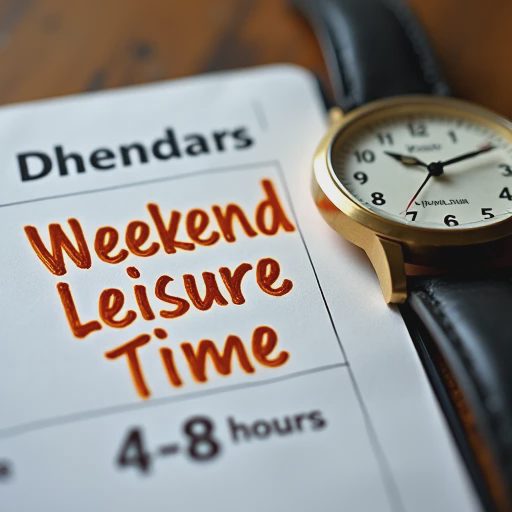
For a lot of players with unlimited evenings, that number can be five, eight, even twelve hours and still feel fine. For the rest of us—people who get four to eight hours a week, often in ninety-minute scraps after the kids are down—that number is the difference between a purchase that pays for itself and one that just sits in the library like an unpaid bill.
I’ve watched too many games lose me in the opening stretch. Not because they were bad, but because they treated the first six hours like an unpaid internship. Long onboarding that teaches systems you won’t use for another ten hours. Combat that feels muddy until you’ve unlocked the third ability tier. Maps that dump a dozen icons on you before you’ve had a single clean fight. Progression that looks deep on paper but bottlenecks into the same three viable paths while the skill tree keeps expanding like it’s proud of itself.
None of that shows up cleanly in a 9/10 score.

Traditional reviews optimize for a different reader. The critic has time. The critic can push through the awkward early hours because the weekend is still open and the next review isn’t due until Tuesday. The critic’s job is to evaluate the whole product, not to protect a dad’s Saturday. So the review talks about ambition, about systems density, about how the combat “opens up later.” It rarely says the quiet part out loud: you will spend the first eight hours being patient while the game figures out whether it wants to respect you.
Time to Fun forces that conversation earlier.
Here’s how I measure it in practice.
I play until the moment the game



No notes yet — write the first.