Seventy dollars is not a neutral number.
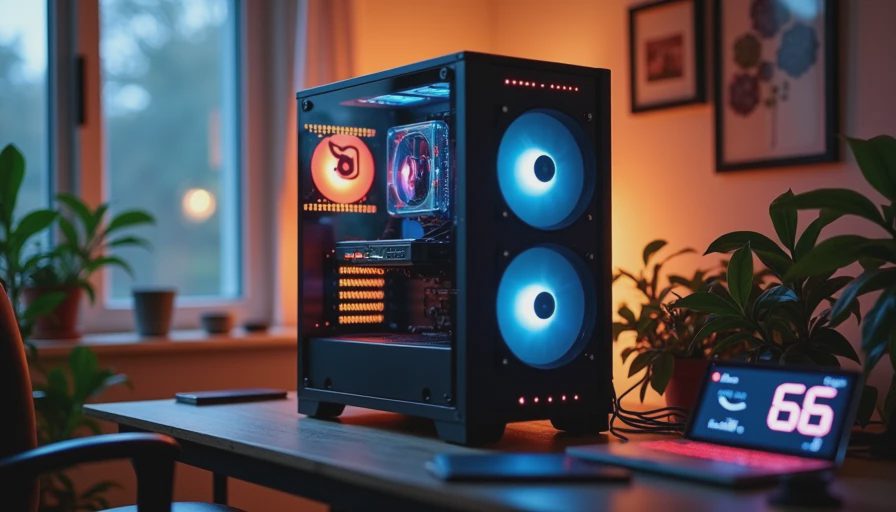
It is a claim on money that could cover a week of after-school activities, a couple of decent takeout nights, or the next budget GPU upgrade that keeps the living-room PC from sounding like a leaf blower. So before I spend it, I force the game into one of three buckets: Buy, Wait for Sale, or Skip.
The system is deliberately simple. It has to be. I do not have the hours to debate every release in a vacuum. I need a repeatable filter that protects both the wallet and the calendar.
Here is how the buckets work.
Buy
The game clears every practical test that matters to a player with limited time.
Time to Fun arrives early enough that the first two or three sessions already feel like play instead of onboarding.
Core systems are readable and rewarding without requiring a second monitor full of guides.
Performance holds a stable 60 on hardware I actually own, without turning the room into a sauna.
Controller support (if relevant) does not feel like an afterthought.
The endgame, or the long tail after the main story, still looks like a loop rather than a chore list.
The price matches the hours it is realistically going to earn.
If those boxes are checked, I buy at full price and do not look back. The game has already demonstrated it respects the resource I have least of: attention that is not already spoken for.

Wait for Sale
The game is competent, sometimes even good, but it has not yet earned the full asking price relative to my actual play schedule.
Common reasons it lands here:
Time to Fun is longer than I can comfortably absorb in the first week or two.
The systems are deep on paper but front-loaded with friction or busywork.
Performance is acceptable only after significant settings compromise.
The endgame shows early signs of chore-list behavior.
The game is good, but not $70 good for someone who plays four to eight hours a week.
In these cases I set a price target—usually 30–40 % off—and walk away until the store page matches it. Waiting is not punishment. It is simply refusing to subsidize a game that has not yet proven it will earn the hours at full freight.
Skip
The game fails the practical tests hard enough that even a deep discount does not fix the underlying problem.
Red flags that push a title into Skip:
Time to Fun never cleanly arrives, or arrives so late that the early hours feel like an unpaid internship.
Systems prioritize engagement metrics over player agency—daily locks, battle-pass pressure, or progression that treats your free time like a shift.
Performance or interface friction remains high even after reasonable settings work.
The design repeatedly confuses “more content” with “more respect for the player’s time.”
I finish a session and feel poorer in attention than when I started.
Skip is not a moral judgment. It is a resource decision. There are too many games and too few unclaimed hours. Spending either money or time on a title that actively works against both is a bad trade.
I run every major release and every significant live-service update through this same three-bucket filter. The criteria do not change because a trailer was impressive or because the critic aggregate sits at 86. The criteria exist to protect the only schedule I actually have.
You will see the bucket called out clearly in every Worth Your Weekend post. Buy means I think the game earns the full price right now. Wait for Sale means it has value, but not at launch pricing for this audience. Skip means the smarter move is to keep the money and the hours for something that will treat both with more respect.
A game does not need to be perfect. It needs to earn the hours. The three-bucket system is simply the tool I use to decide whether it has done that before I open my wallet.





No notes yet — write the first.