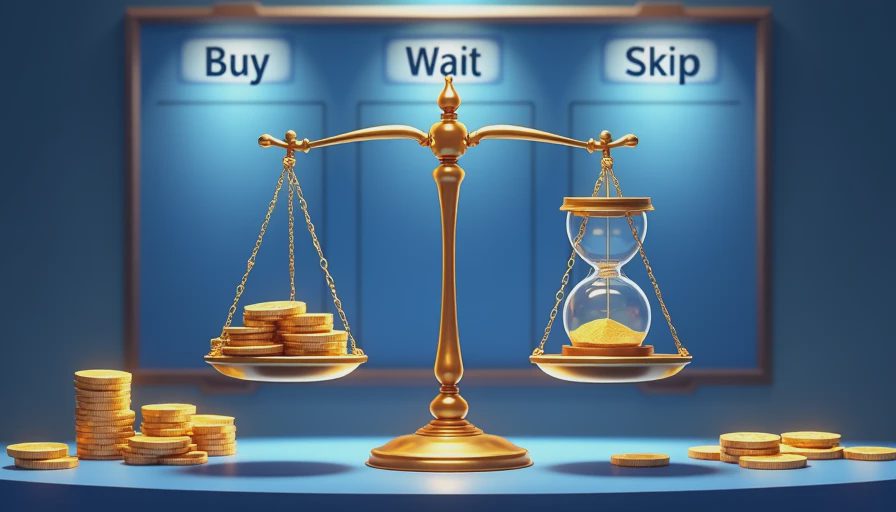
This site uses a few phrases that can sound soft until you know how they are applied. “Worth it,” “earns the hours,” “Buy / Wait / Skip,” and “Time to Fun” all have specific meanings here. The FAQ below is the plain-language version so nobody has to reverse-engineer the standards from scattered posts.
What does “worth it” actually mean?
A game is worth it when the hours it asks for feel better spent inside the game than outside it, given the real constraints of a full-time job, a family, and a limited leisure budget. It is not a synonym for “high Metacritic” or “I finished it.” It is a practical judgment about respect for time, clarity of systems, and whether the experience still feels like play after the novelty window closes.

What does “earns the hours” mean?
The game delivers more value in attention, enjoyment, or meaningful decisions than it consumes in friction, obligation, or recovery. A title can be ambitious, beautiful, or mechanically dense and still fail this test if the cost of engagement keeps exceeding the return. The signature line on this site is literal: a game does not need to be perfect. It needs to earn the hours.
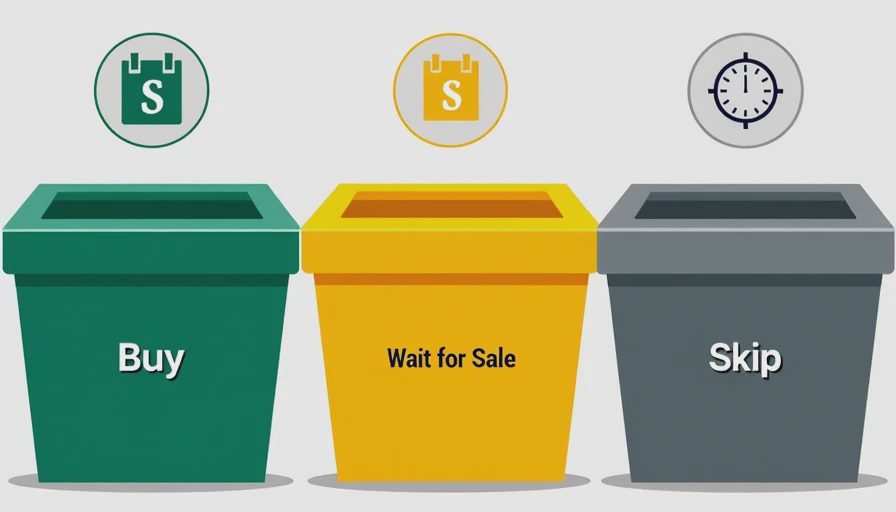
How do the three buckets work?
Buy — The game clears the practical bar at full price right now. Time to Fun is acceptable, friction is manageable, the loop stays respectful, and the asking price matches what it delivers for a player with four to eight hours a week.
Wait for Sale — The game has real value but does not justify launch pricing for this audience. Common reasons include slower Time to Fun, higher friction, or an endgame that looks more like a chore list than a loop.
Skip — The design problems are structural enough that even a deep discount does not fix the underlying time cost. These are the games that actively work against limited schedules.
The buckets are not moral rankings. They are resource recommendations.
What is Time to Fun?
The point at which the core experience stops feeling like onboarding or tolerance and starts feeling like play. It is measured in real sessions, not in tutorial completion flags. A game that still requires significant patience at hour eight has a longer Time to Fun than its store page will ever admit.
Do you only review new releases?
No. The same standards apply to older games, major updates, and live-service seasons. The calendar does not grant immunity. If a game or an update wastes limited hours, it gets called the same way.
Why so much focus on friction, controllers, and performance?
Because those factors decide whether a game is actually playable in the only windows many readers have—evenings after kids are asleep, short weekend blocks, living-room setups. A review that ignores them is reviewing a different product than the one most of us can access.
Do you hate live-service games, battle passes, or loot systems?
No. I hate when those systems convert leisure into soft obligation or spreadsheet maintenance. Loops that still generate decisions and respect absence are fine. Systems that punish absence or turn every session into attendance get flagged. The target is the design priority, not the genre.
Is this site only for parents or people in their thirties and forties?
The perspective comes from that life stage because that is the one I am living. The standards—respect for limited time, clear systems, honest endgame, low unnecessary friction—are useful for anyone whose play hours are finite and non-negotiable. If your schedule is wide open, some of the urgency will feel foreign. The underlying questions should still be legible.
Will you ever give a perfect score or an unconditional rave?
Unlikely. The template is built to surface trade-offs, not to flatten them into hype. A game can earn a strong Buy recommendation and still have visible weaknesses. The goal is clarity, not cheerleading.
What should a first-time reader do with any single review?
Read the bucket recommendation first. Then read the sections on Time to Fun, friction, endgame, and exit points. Those four will tell you whether the game is likely to fit the kind of hours you actually have. The rest is supporting detail.
This FAQ will stay here as the reference. The standards will not drift just because a particular title is popular or a particular season is loud.
A game doesn’t need to be perfect. It needs to earn the hours. That is the only definition of “worth it” this site uses.





No notes yet — write the first.