A useful bf6 weapon tier list should answer more than “which gun has the highest damage?” It should tell you what performs consistently, what feels good on a controller, and what deserves your limited unlock time. Battlefield loadouts live in real matches, not target ranges, so this guide ranks weapons by reliability, role clarity, recoil control, and how quickly a busy player can become effective.
This is a practical framework rather than a claim that one rifle will dominate every patch. Live-service balance changes can move a weapon overnight. The goal is to identify the traits that survive those changes and give you a sensible starting point before spending several evenings unlocking attachments.
How this bf6 weapon tier list works
S-tier weapons are dependable in several situations. They usually have manageable recoil, competitive time to kill, useful magazine capacity, and enough flexibility to work when a squad plan falls apart. You can equip one after a long day and contribute without needing a perfect map, flawless aim, or a specialist build.
A-tier choices are strong but more specific. An assault rifle might be excellent from medium range while losing close-quarters fights. A submachine gun might clear rooms quickly but become frustrating across open ground. These weapons are worth learning when their preferred role matches the way you actually play.
B-tier does not mean bad. It means the weapon asks for more discipline, better attachments, or more map awareness. C-tier options are usually novelty picks, unfinished progression projects, or guns with a weakness that overwhelms their strengths. They can still produce great clips, but they are poor recommendations for a player who only has four to eight hours per week.
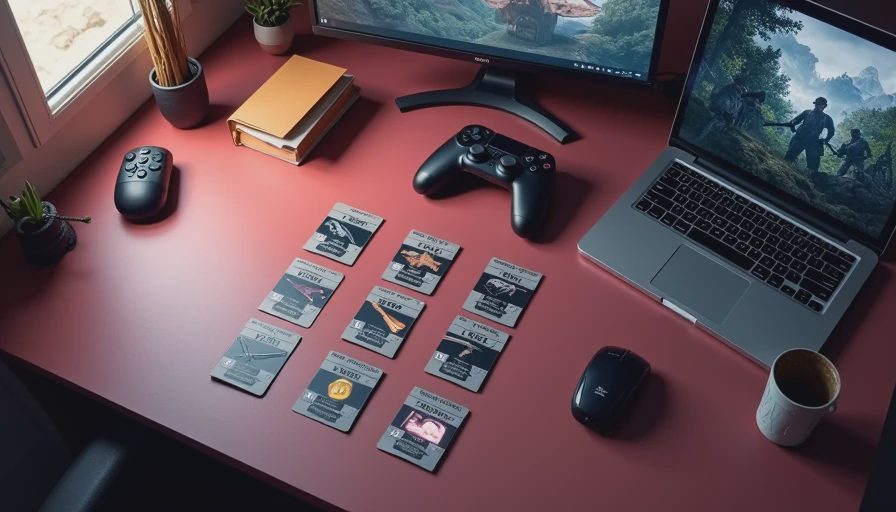
The current bf6 weapon tier list by role
For all-purpose rifle play, start with the assault rifle that offers the cleanest sight picture and the least punishing recoil. That category belongs in S tier when it can handle short and medium engagements without forcing constant attachment changes. A stable rifle is often more valuable than a theoretically faster killer because missed shots erase paper advantages.
For close-range objectives, the best submachine gun belongs in S or high A tier when it reaches its damage range quickly and reloads without trapping you in a long animation. Shotguns deserve a conditional A tier: they are excellent inside buildings but lose value when a match shifts toward roads, rooftops, or long sightlines.
Light machine guns fit high A tier for players defending lanes and suppressing pushes. Their strengths are sustained fire and larger magazines, but movement, reload time, and aim-down-sight handling create real friction. Marksman rifles and semi-automatic weapons can reach A tier in practiced hands. They reward patience, but they are less forgiving when a match becomes chaotic.
Sniper rifles sit in a separate category. A skilled player can make one look like an S-tier weapon, yet that does not make it the best use of your weekend. Missed shots, poor positioning, and long travel between engagements can turn a match into spectator time. Rank them by impact per minute, not by highlight-reel potential.
What separates an S-tier gun from a trap
The strongest entries in a bf6 weapon tier list usually have low friction. They aim quickly, show readable recoil, and keep enough ammunition available for a second target. None of those traits sounds exciting in a loadout menu, but they decide whether your first evening produces useful matches or a pile of abandoned experiments.
Watch the reload behavior closely. A weapon with excellent damage can still be a trap if its reload leaves you exposed after every engagement. Magazine size matters because Battlefield fights often involve more than one opponent. A slightly slower rifle that finishes two targets before reloading can outperform a faster rifle that forces you behind cover after each duel.
Attachment flexibility matters too. The best gun should not require one rare optic or a late unlock to become usable. If the base weapon feels awkward, do not assume six more hours of progression will fix it. That is how a promising loadout becomes a tollbooth between you and the fun.
How to test a weapon before committing
Use the bf6 weapon tier list as a shortlist, then run a simple three-match test. In the first match, use the default setup. This reveals whether the weapon is fundamentally comfortable or whether attachments are hiding a problem. Focus on recoil, sight visibility, reload timing, and whether you can identify missed shots.
In the second match, add only practical upgrades: an optic you can read, a magazine that fits the role, and one recoil or handling attachment. Avoid building a menu-driven science project. If the gun becomes dramatically better, record which upgrade solved the problem. If every attachment creates another penalty, move it down your personal list.
In the third match, play outside the weapon’s ideal range. Take an assault rifle into a close objective or use a submachine gun across a medium lane. This is not a punishment test; it measures recovery when the round refuses to cooperate. A weapon that remains serviceable under pressure earns more value than a specialist pick that collapses after one bad spawn.

A practical loadout plan for busy players
A good bf6 weapon tier list should leave you with three loadouts, not twelve. Build one general-purpose rifle setup for mixed maps, one close-range setup for indoor objectives, and one long-lane option for open terrain. Give each loadout a familiar optic and consistent control scheme. Switching between wildly different recoil patterns creates more mental overhead than most players realize.
Pair the weapon with equipment that covers its weakness. A close-range gun benefits from tools that help cross open ground. A long-range rifle needs an option for enemies who reach your position. Your secondary weapon should be dependable rather than clever. A simple sidearm that you can draw quickly is more useful than an exotic choice you rarely remember to use.
This approach also protects your unlock time. Instead of chasing every attachment, you improve one dependable setup until it feels automatic. When a patch changes recoil or damage, you can adjust a single loadout and keep playing rather than rebuilding your entire arsenal.
Final ranking advice before you grind
The bf6 weapon tier list is a starting point, not a substitute for your hands. If a supposedly dominant rifle produces missed bursts, slow reactions, or constant weapon swaps, it is not S tier for you. Conversely, an overlooked gun with clear sights and predictable recoil can earn more wins because it removes hesitation.
Before committing, ask three questions: Can I use this weapon on most maps? Can I understand why I lost a duel? Does the unlock path improve my next session, or merely promise a better session later? Those questions separate useful progression from busywork.
A game does not need to be perfect. It needs to earn the hours. Start with the least demanding option that covers your role, test it across three matches, and only then chase specialized upgrades. That process will keep your loadout decisions grounded in real play instead of tier-list arguments that disappear with the next balance update.




No notes yet — write the first.