The short answer is yes—for a lot of games, on sensible settings, if you are willing to prioritize stable 60 over maximum fidelity.
The longer answer depends on what you actually play, how patient you are with settings, and whether your current card is already fighting the electric bill and the fan noise at 10 p.m.
I still run older hardware. I undervolt, I tweak, I accept that some titles will never look like the trailer. The goal is not to pretend a three- or four-year-old GPU is flagship. The goal is to decide, honestly, whether it can still deliver playable, low-friction sessions in 2026 or whether the upgrade has become the cheaper option in time and frustration.
What “still carries you” actually means
For this site the bar is practical:
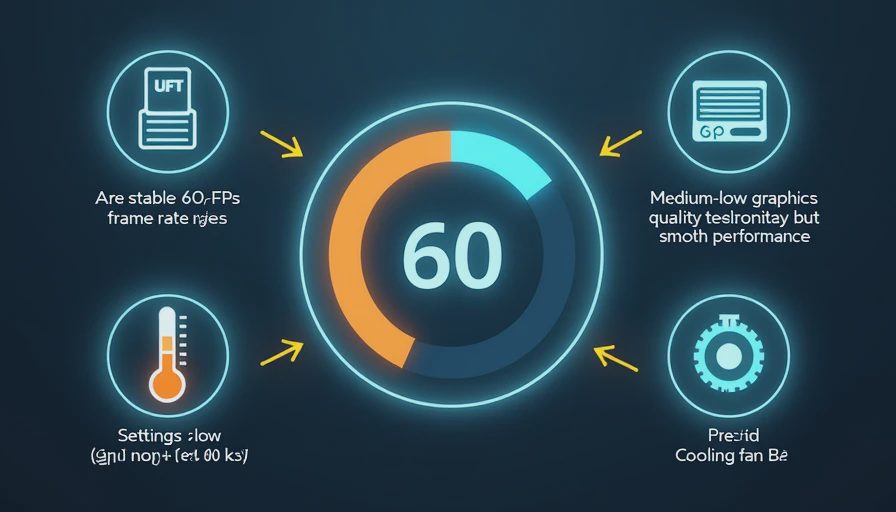
Locked or near-locked 60 with clean frame times in the games you actually launch.
Settings that do not require a wiki and a prayer every time a new title drops.
Thermals and power draw that stay reasonable in a living room at night.
Enough headroom that a mid-cycle patch does not suddenly turn the experience into a slideshow.
If the card can clear that bar on the genres you care about, it is still earning its keep. If every new release requires aggressive compromises just to stay above 50 with hitching, the card is no longer carrying you. You are carrying it.
Realistic expectations by era
Last-generation mid-range (roughly 2022–2023 sweet-spot cards)
Still viable for most non-ray-traced or lightly ray-traced titles at 1080p or 1440p with quality upscaling. Expect to drop shadows, volumetrics, and heavy effects. Many current games remain enjoyable. Demanding open-world or heavily simulated titles will show the age first.
Older mid-range or previous high-end
Playable, but the list of “set it and forget it” games gets shorter. You will live in the medium-to-low range more often. Upscalers become mandatory rather than optional. Some new releases will simply feel better on the next card, not because you are chasing pixels but because the alternative is constant negotiation with the settings menu.
Anything that already struggles to hold 60 on 2024–2025 titles at low-medium
The upgrade case is strong. The time tax of fighting settings, the heat, and the fan noise start to outweigh the cost of a used or current mid-range card.
The practical decision framework I use
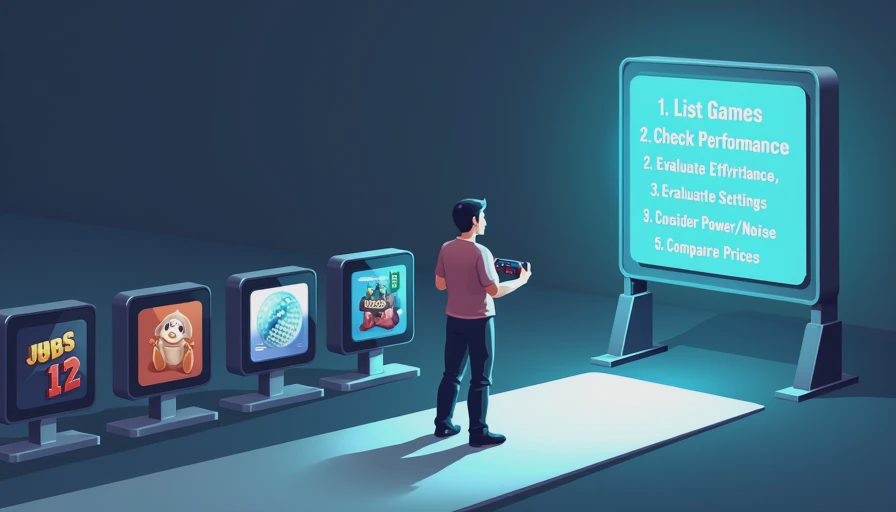
List the five games you actually play most, not the ones you might play someday.
Check current performance at your target resolution with a stable-60 goal.
Note how many settings you have to compromise and whether the result still feels good in the hands.
Factor in power draw and noise at night. A card that hits 60 but sounds like a hair dryer fails the living-room test.
Price a realistic replacement (used or current mid-range) against the hours of friction you are currently absorbing.
If the friction hours are climbing and the replacement cost is moderate, the upgrade usually pays for itself in recovered attention. If the current card still delivers clean sessions in your real rotation, keep it and spend the money on games that respect the hardware you have.
What I do not recommend
Chasing 4K or heavy ray tracing on older silicon. Buying a new card for a single demanding title you will play for three weeks. Assuming every game will be optimized later. Waiting for the “perfect” generation while every session remains a negotiation.
An older GPU can still carry you through 2026. It just cannot carry denial. Be honest about the genres you play, the settings you can live with, and the point at which the electric bill and the fan noise are telling you the hardware has finished earning its keep.
A game doesn’t need to be perfect. It needs to earn the hours. The same standard applies to the card running it.



No notes yet — write the first.