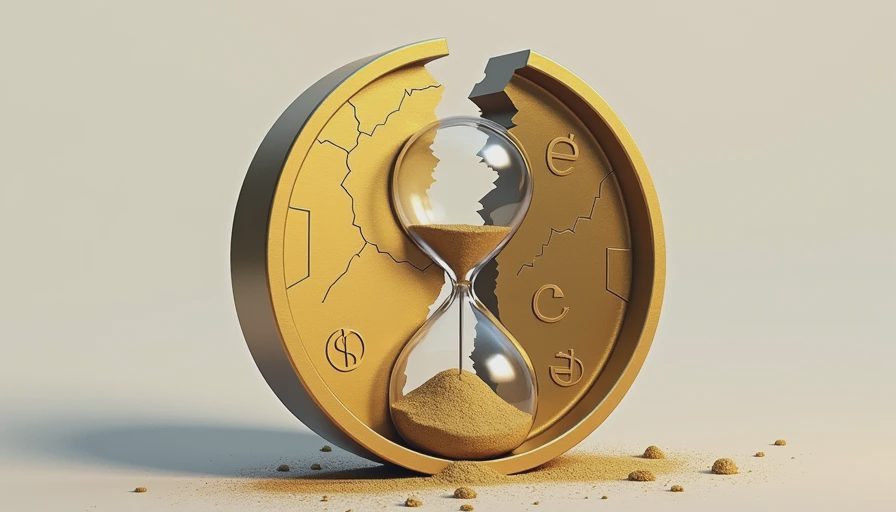
A game can be generous with content and still be stingy with your hours.
The store page will never say that out loud. It will talk about value, about how much is included, about the hours of gameplay waiting for you. What it will not say is whether those hours are designed to feel like play or like a series of small obligations that keep you spending attention long after the fun has flattened.
I watch for five recurring warning signs. Any one of them puts a game on notice. Two or more usually move it out of the Buy bucket and into Wait for Sale or Skip.
1. The early hours are treated as disposable
If the first three to five hours feel like an unpaid internship—long tutorials, system dumps, combat that only becomes readable later—the design has already declared that your time is cheaper than its onboarding. Games that respect players front-load clarity and let the depth arrive as an expansion of something that already works. Games that respect the wallet more assume you will simply absorb the friction because you already paid.
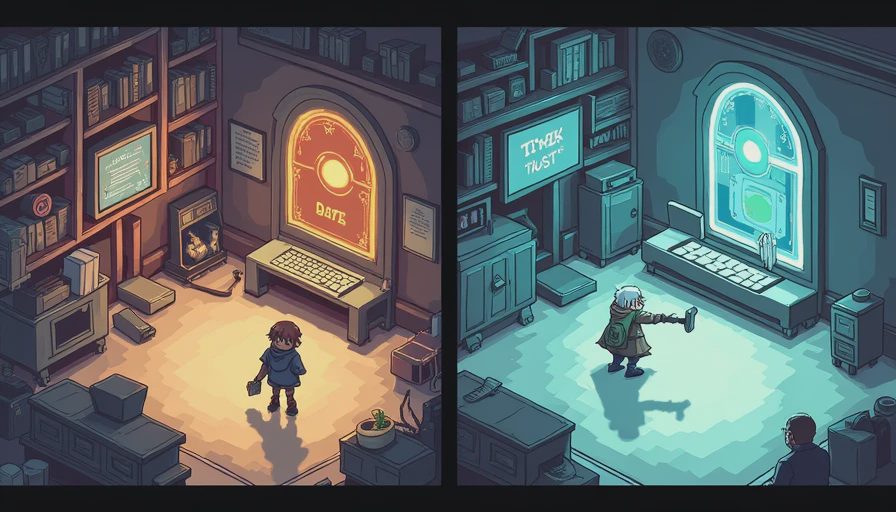
2. Progression keeps expanding while decisions stay frozen
Skill trees, loot tiers, and upgrade screens grow impressive. The number of meaningfully different ways to play does not. When every new unlock is just a higher number or a slightly different route to the same three viable builds, the game is selling the appearance of volume. Real respect for time shows up as new decisions, not new rows in the spreadsheet.
3. The daily or weekly structure feels like attendance
Login rewards, mandatory challenges, energy systems, or battle-pass pressure that punishes absence are not neutral features. They convert leisure into a light obligation. A game that respects your time makes these systems optional or easy to ignore. A game that respects your wallet more uses them to keep the engagement graph stable even when the loop itself has stopped earning the session.
4. Inventory and interface work become their own time sink
When a large part of every session is spent sorting, comparing, salvaging, or navigating menus that fight the controller, the game is taxing attention that could have gone to play. Some management is inevitable. When the management starts to rival the core activity in minutes spent, the design has lost the plot. Your wallet already covered the purchase. It should not also have to cover unpaid admin work.
5. The endgame only makes sense if you treat it like a second job
If the post-story content is built around repetitive chores, escalating time gates, or systems that require steady weekly investment to remain relevant, the game is optimizing for retention metrics over player agency. Loops that still generate fresh decisions get a pass. Chore lists that exist to keep you subscribed or engaged do not. The former earns the hours. The latter simply invoices them.
None of these signs mean a game is evil or unplayable. They mean the design has made a clear priority choice: keeping you paying attention (and sometimes paying money) ranks higher than making sure the attention feels well spent. Once I see that choice, I adjust the recommendation accordingly.
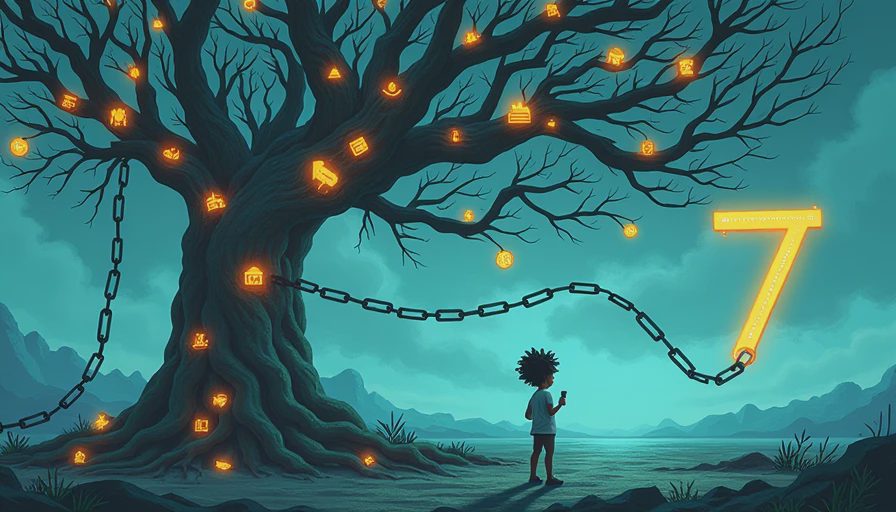
Full price requires full respect for the calendar. Anything less and the honest move is to wait for a sale or keep the money for a game that treats the hours as the scarce resource they are.
A game doesn’t need to be perfect. It needs to earn the hours. When the warning signs pile up, it is usually telling you it would rather earn your compliance.





No notes yet — write the first.