The most expensive part of a game is rarely the sticker price.
It’s the hours you keep giving it after the story ends, hoping the loop will finally feel like mastery instead of maintenance.
That’s the difference between an endgame loop and an endgame chore list. One invites you back because the systems still have something left to say. The other keeps the door open because it needs bodies to keep the metrics moving. Most store pages and launch reviews do not tell you which one you’re buying. They just say the game has “lots to do after the credits.”
I need a sharper test than that.
An endgame loop is a system that still generates meaningful decisions once the narrative scaffolding is gone. The player is still solving problems, not just completing them. Build variety still matters. Combat or strategy still has readable skill expression. The rewards change how you play, not just how your inventory spreadsheet looks. You can put the game down for a week, come back, and the loop still makes sense without a patch notes refresher or a checklist of daily obligations.
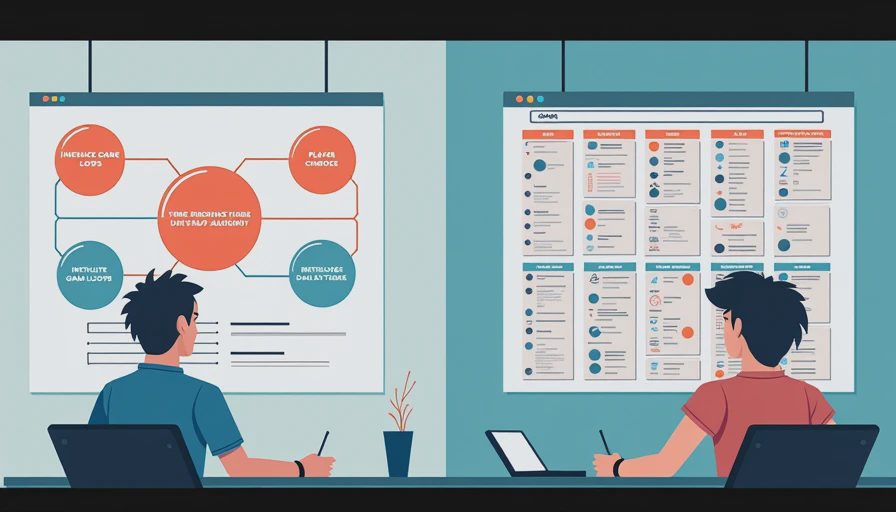
An endgame chore list is the opposite. The systems have already said everything they were going to say. What’s left is repetition dressed up as progression: the same three activities on a timer, the same loot tier with slightly higher numbers, the same daily/weekly reset that treats your limited free time like an unpaid shift. The game is no longer asking what you want to do. It’s telling you what needs to be done so the engagement graph stays healthy.
The tell is usually visible earlier than people admit.
Watch how the game teaches its systems in the first ten to fifteen hours. If every new mechanic is introduced as a temporary inconvenience that will “open up later,” and the later never quite arrives with new decisions—only new thresholds—you’re looking at a chore list in training. If the skill tree keeps expanding while the number of viable paths stays frozen at three, you’re being sold the appearance of depth. If the loot fantasy collapses into “equip the higher number,” the endgame is already writing its own job description.
Controller feel and combat readability matter here too. A loop that still feels good in the hands after fifty hours can carry a lot of repetition. A loop that was already muddy at hour eight will not magically become elegant because the enemies have more health. Performance friction compounds the same way. An unstable frame rate or an inventory screen that fights you every time you open it turns every endgame session into a tax on attention you no longer have to spare.
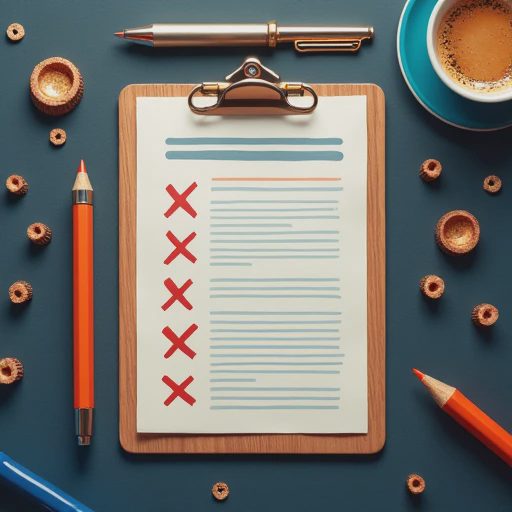
I use a simple pre-purchase checklist now:
Does the core activity still produce interesting decisions after the main progression curve flattens, or does it just produce more of the same with bigger numbers?
Are the daily/weekly structures optional pressure or required attendance?
Can I step away for ten days and return without feeling like I failed a shift?
Does the game still respect a ninety-minute session, or does it only feel complete if I clear the full chore board?
If the answers lean toward the second option in each pair, I treat the endgame as a liability, not a selling point. Full price becomes a harder sell. Sale price becomes the only honest entry point. Sometimes the honest answer is simply to skip.
This is not a crusade against live service or against games that want your long-term attention. Some of those games still run real loops. The ones that don’t should stop borrowing the language of mastery while running the economics of a timesheet.
Before you buy, ask the question the store page will not answer for you: when the story is over and the novelty is gone, is this still a game I get to play, or a list I have to finish?

The difference is the difference between a hobby that respects your weekends and a second job that just happens to have better graphics.
A game doesn’t need to be perfect. It needs to earn the hours—especially the ones that come after the credits.





No notes yet — write the first.